

To fix 403 Forbidden Error; Clear browser cache and cookies, disable extensions, flush DNS cache, check URL correctness, and ensure server-side permissions are properly configured.
Some Simple & Instant Result Steps are:
Old or corrupted browser data stored for a specific website can often cause a 403 Forbidden Error.
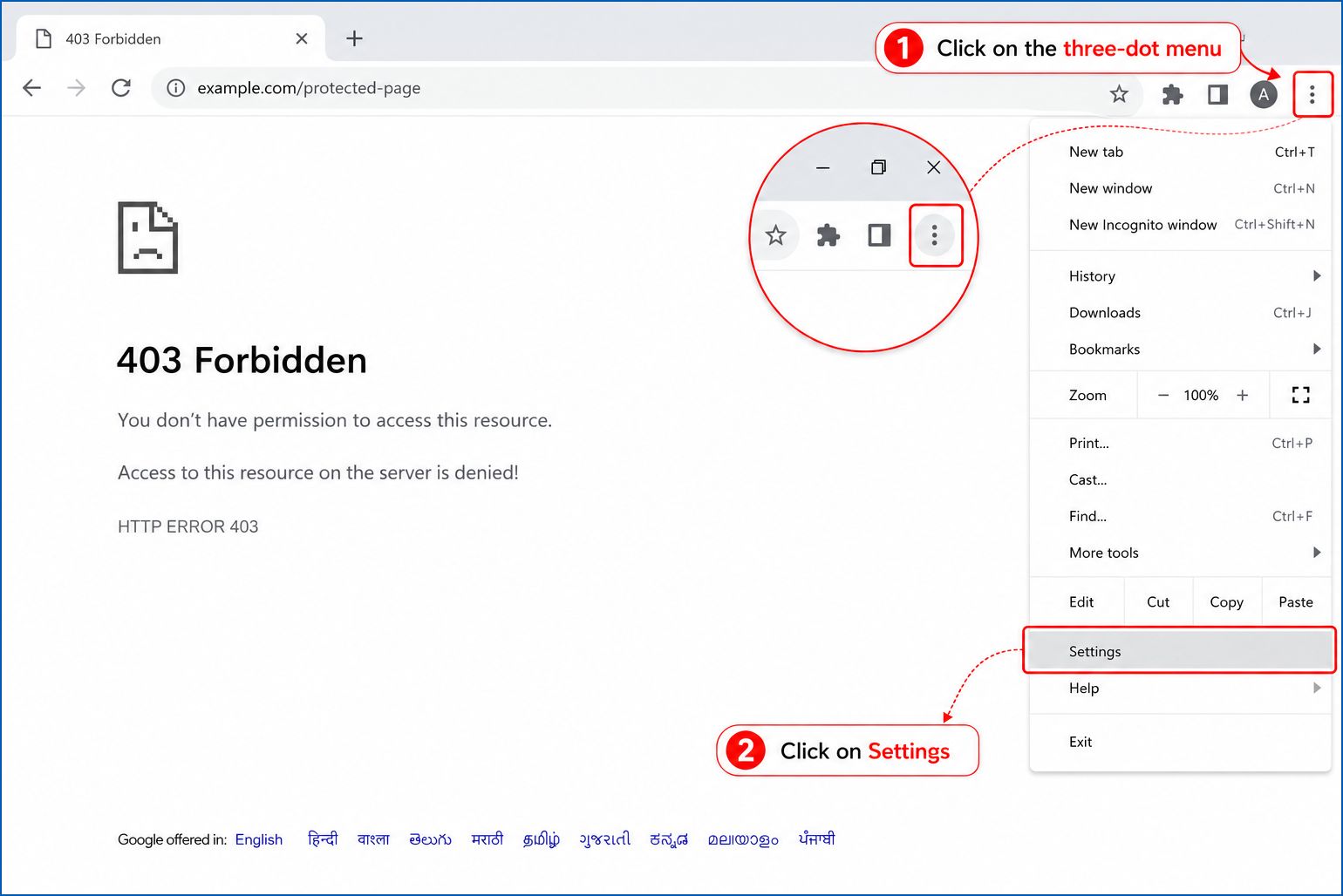
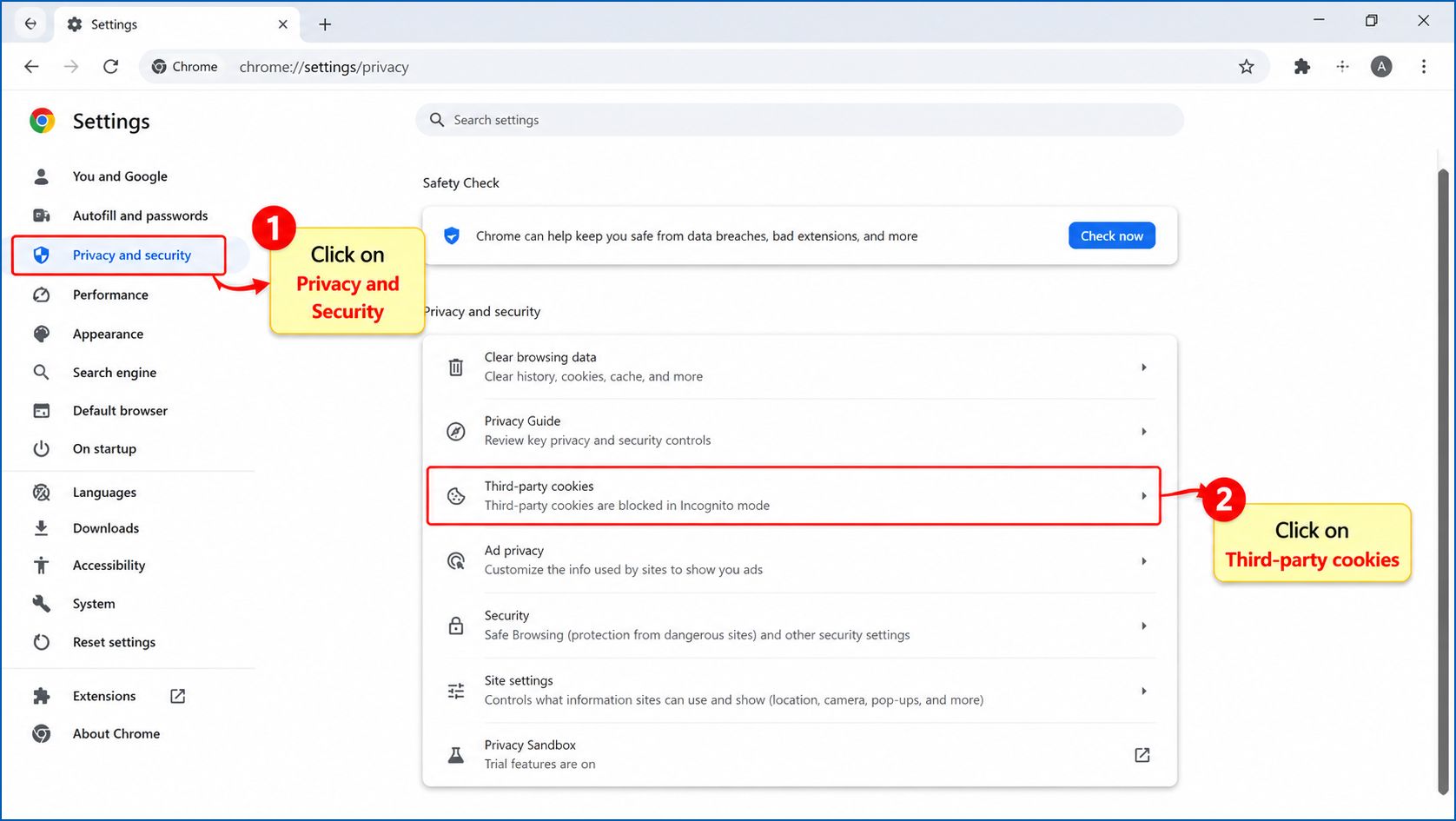
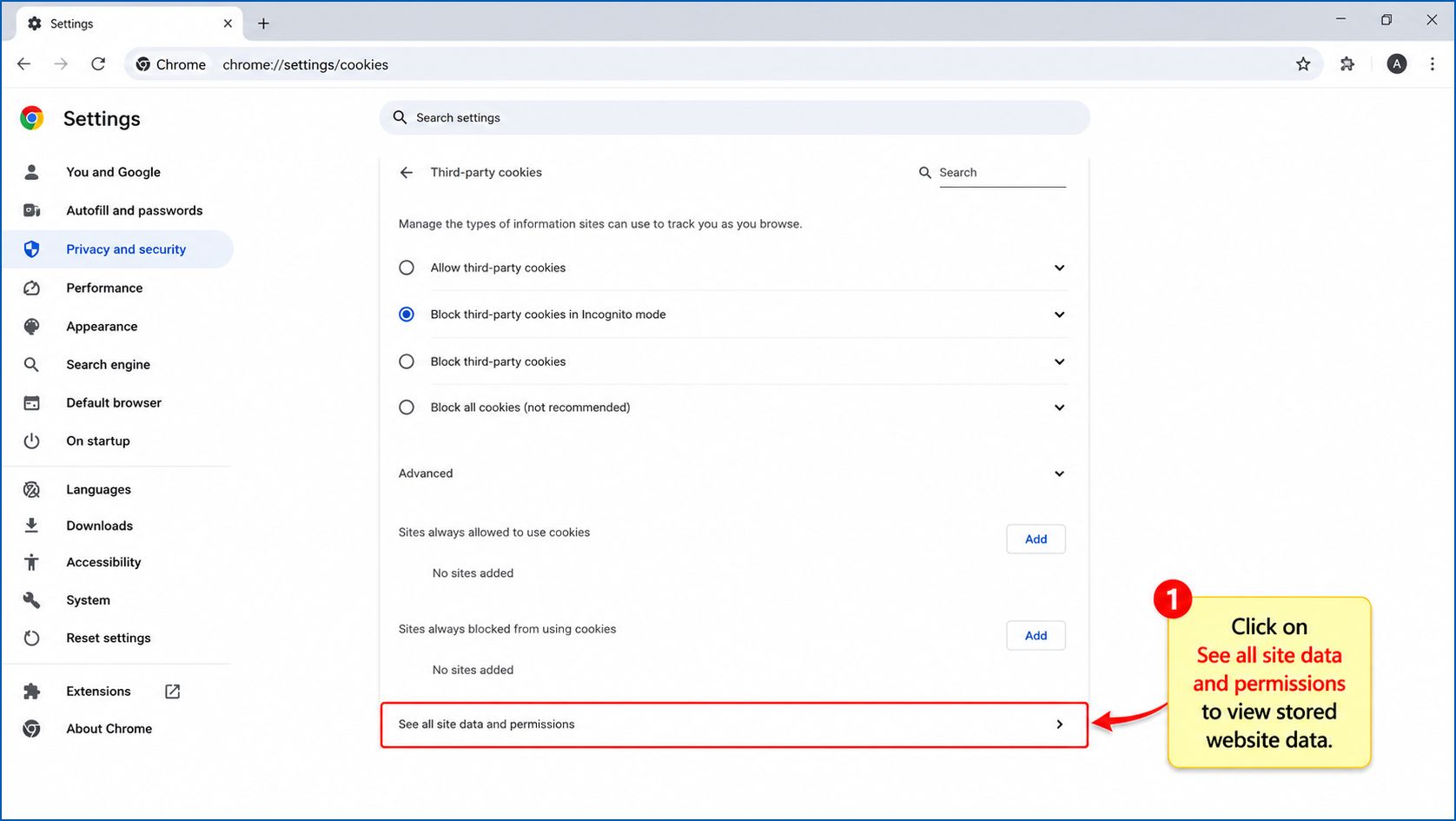
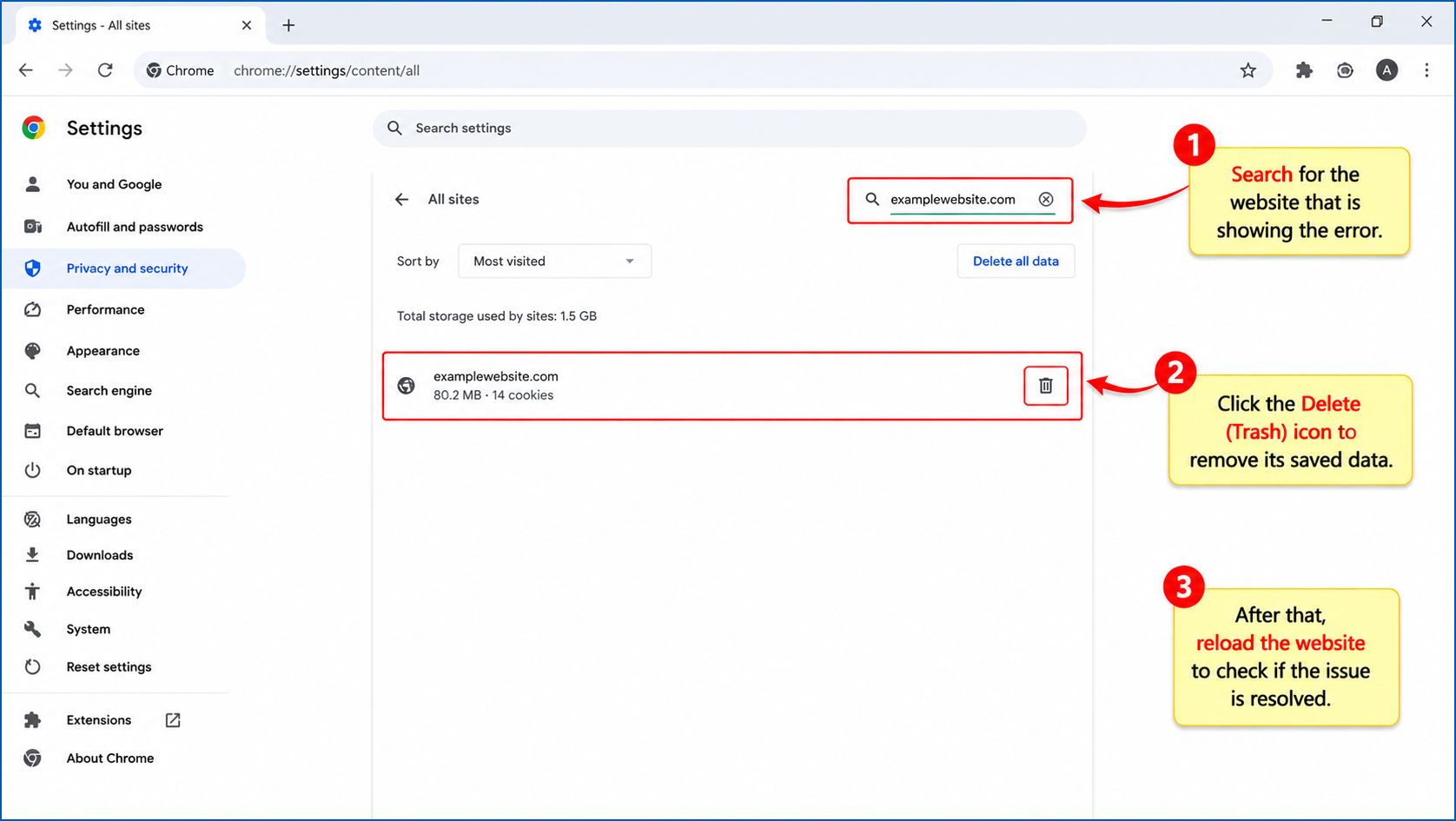
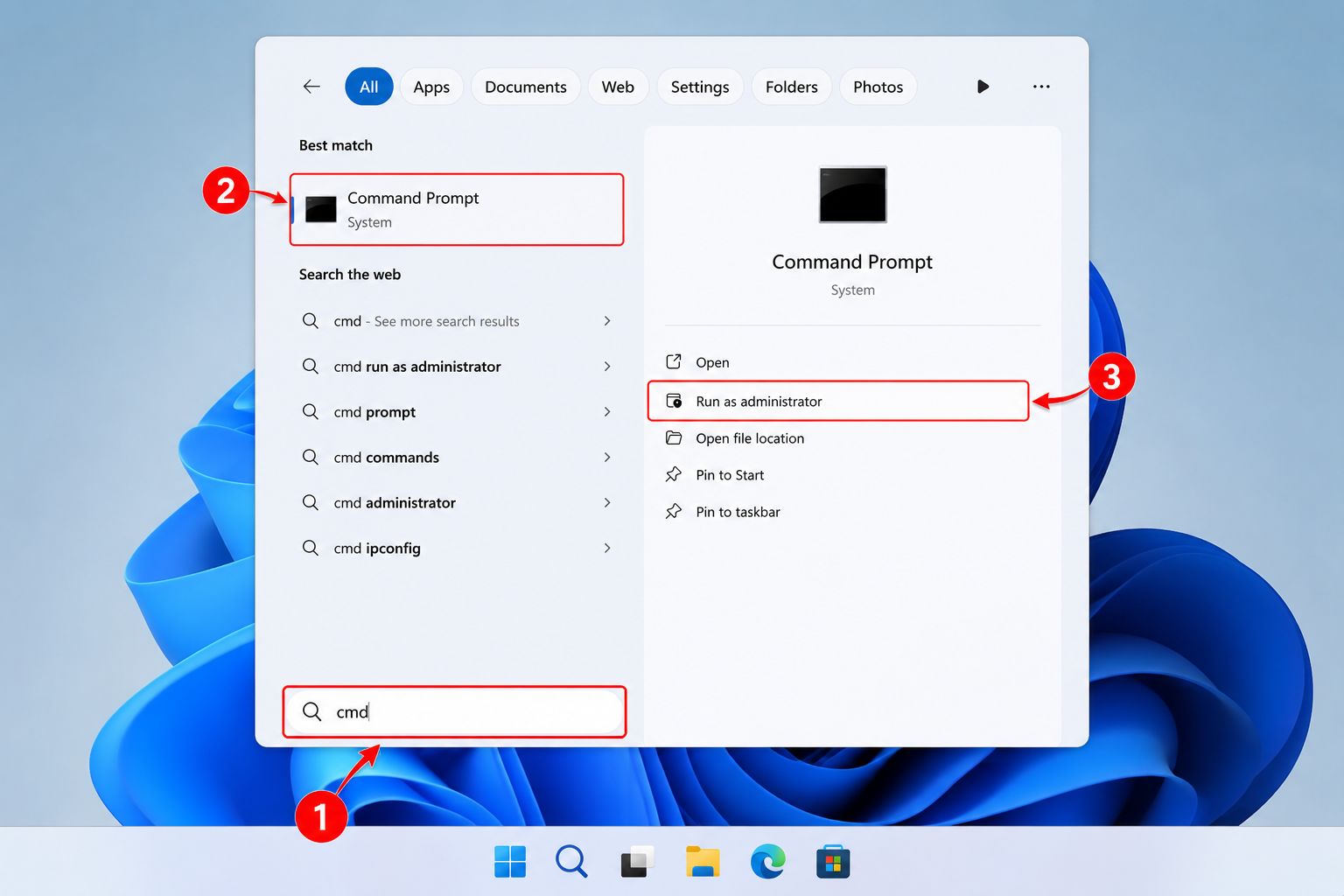
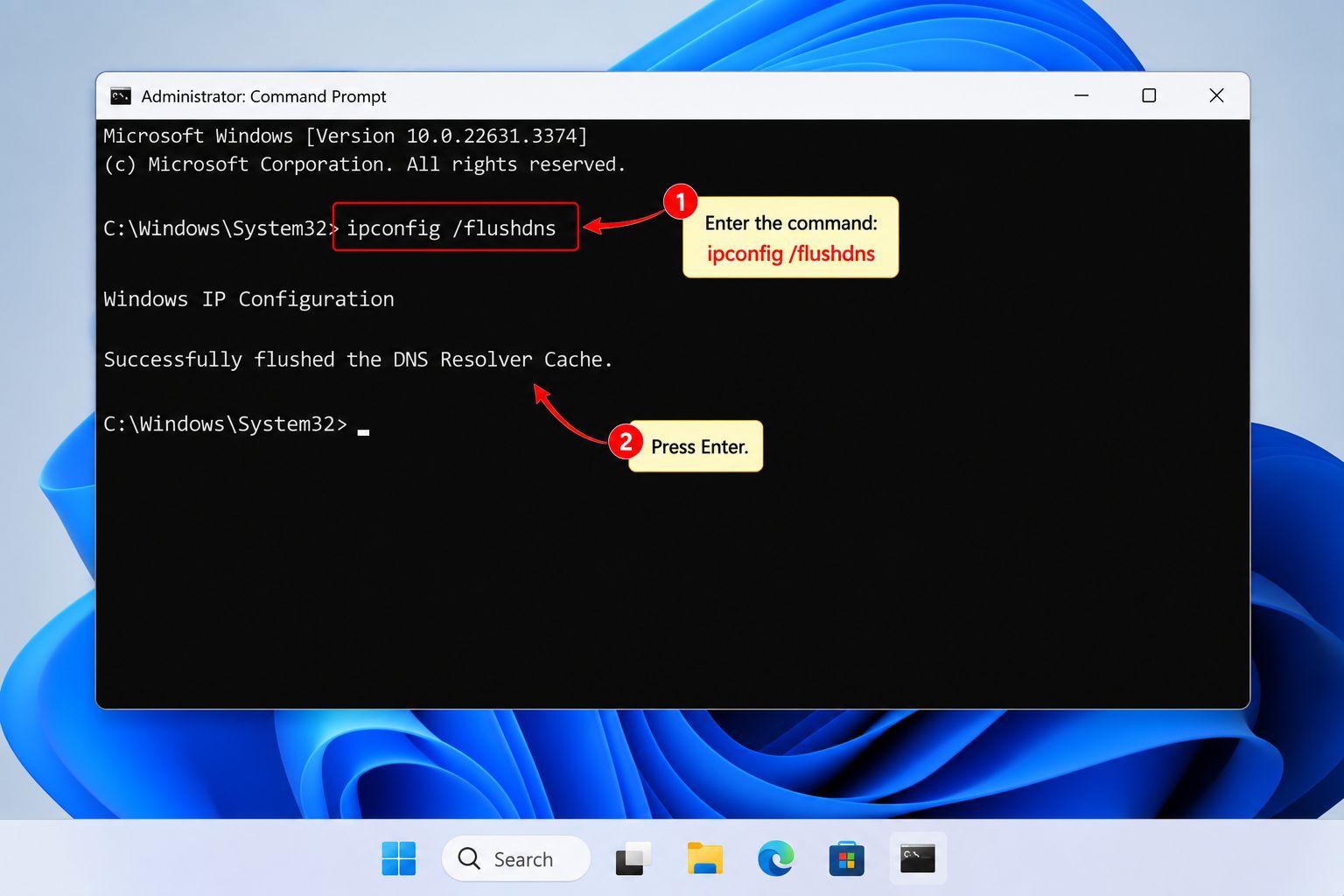
If your system’s local DNS cache becomes corrupted, it can prevent proper connection to websites.
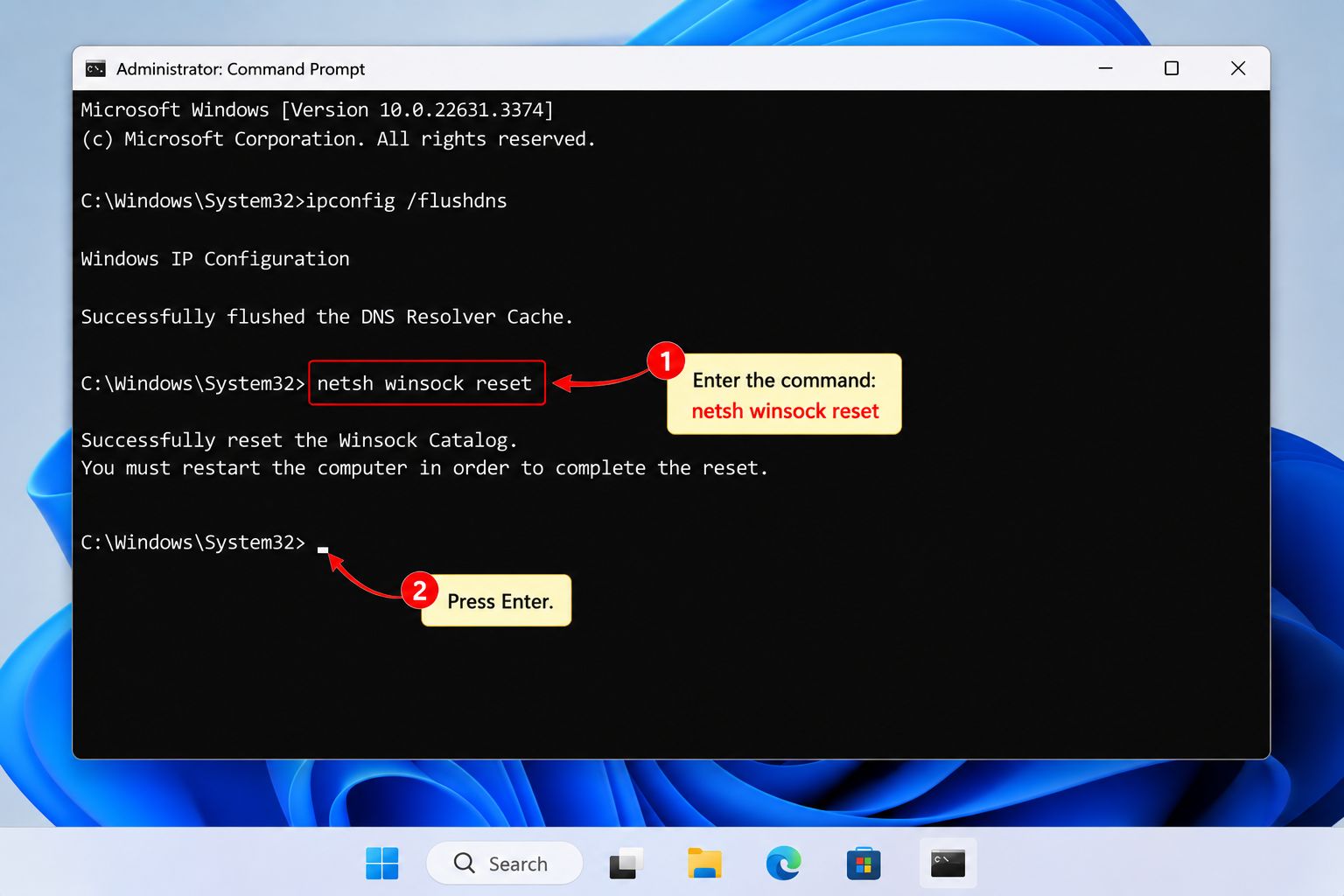
Finally, restart your computer and try accessing the website again to check if the issue is resolved.
The 403 Forbidden Error is one of the most frustrating issues users face while browsing the internet. It usually appears when a webpage or resource is not accessible, even though the server is reachable. Unlike other errors, this one clearly indicates that your request was understood by the server, but it is refusing to allow access.
In simple terms, this error is a HTTP status code that tells you that permission is denied. It does not always mean something is broken on your side. It can also be caused by server settings, security rules, or restrictions placed by the website owner.
In this detailed guide, you will learn what causes the 403 error and how to fix it step-by-step in Google Chrome.
A 403 Forbidden Error is a HTTP status code that means the server understood your request but is refusing access to the page or resource. It usually happens due to server-side permissions, security rules, or IP restrictions, and indicates a lack of authorization rather than a missing page or browser issue.
This is different from a 404 error (page not found). In a 403 error, the page exists, but you are not allowed to view it.
This issue can be caused by multiple reasons, such as:
It is often linked with website access issues and may affect both users and website owners.
Before fixing the issue, it is important to understand what causes it. Some of the most common reasons include:
Sometimes, corrupted cache or cookies in Chrome create a client-side error, blocking access to websites.
If the website files are not configured properly, it leads to a file permissions error that restricts access.
The website may have strict server-side permissions or security rules that block certain users.
Some websites block specific IP addresses due to security reasons or geo-restrictions.
A .htaccess file error in Apache servers can cause access denial.
Sometimes, a website hosting issue or a misconfigured server leads to restricted access.
Now let’s go through all the effective solutions step-by-step.
Sometimes the error is temporary. Refresh the page or check if the URL is correct. A small typo can lead to a directory access denied response.
Old or corrupted cache data can cause access problems.
Steps:
This often fixes many website configuration issues and related errors.
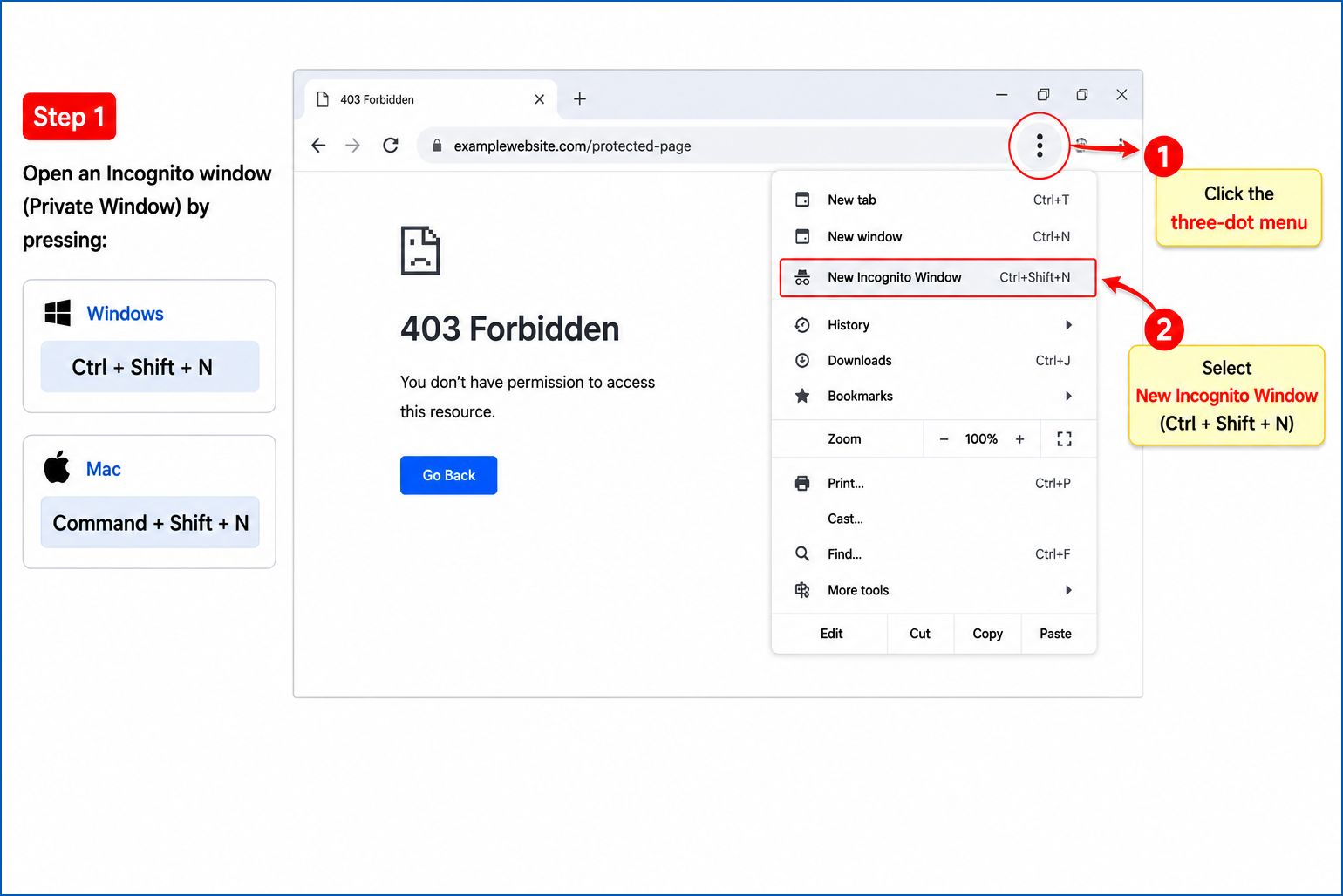
Open the website in Incognito Mode. If it works, the issue is likely caused by extensions or stored cookies.
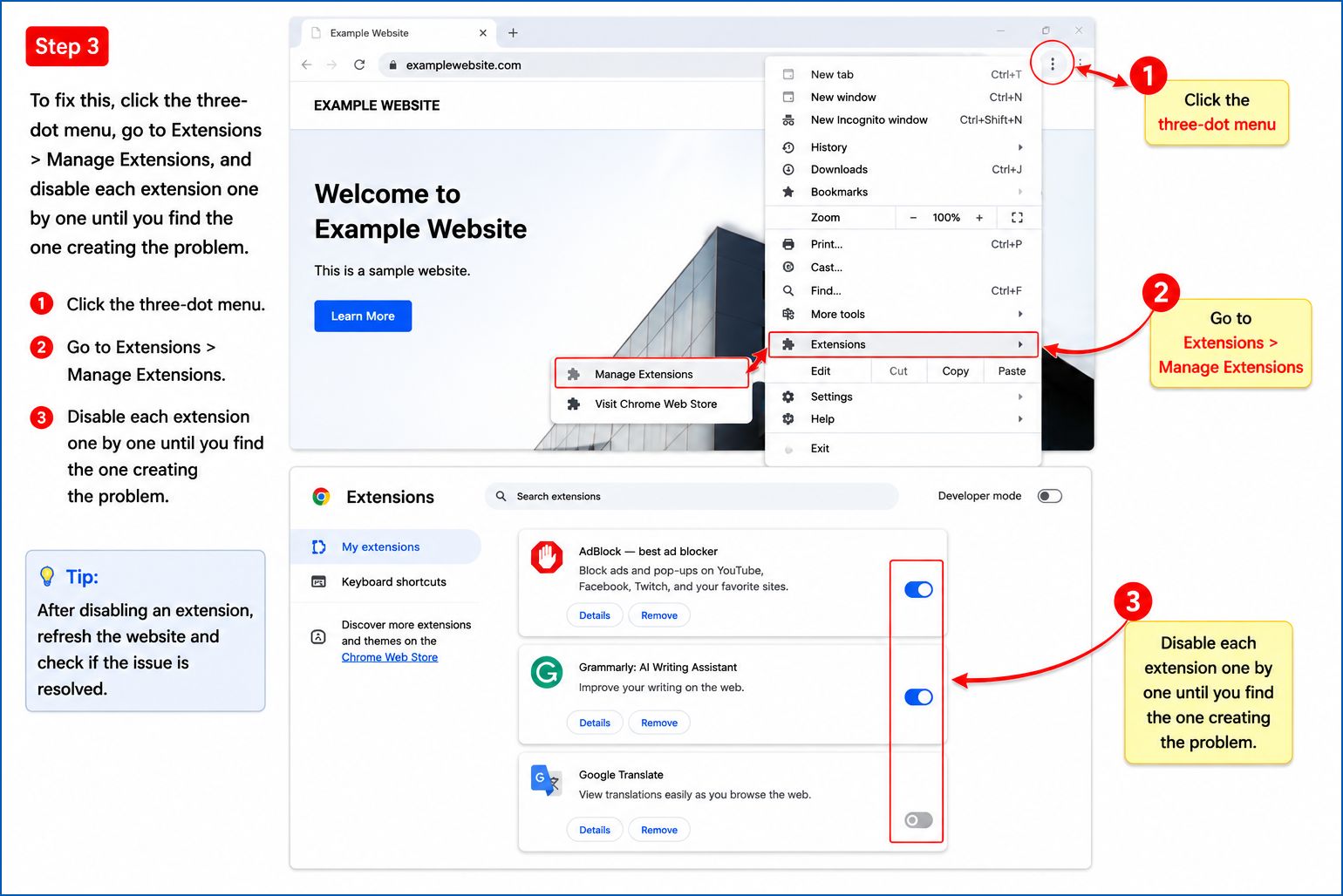
Some extensions interfere with website loading and create a conflict with server security rules.
Steps:
DNS cache may contain outdated records.
Steps:
This helps fix many web server error issues.
Sometimes security software blocks websites. Temporarily disable the firewall or antivirus and check again.
Switching to another Wi-Fi or mobile data can fix IP-based restrictions.
If you are the website owner, verify:
Incorrect configuration often leads to a server response error.
A corrupted .htaccess file can block access. Rename it temporarily and reload the website.
If nothing works, the issue may be on the server side. Contact support for assistance.
From a digital marketing perspective, a 403 error is not just a user problem. It can also impact SEO performance.
If search engines encounter restricted pages, it may affect:
That’s why fixing HTTP status code errors is important for maintaining website health.
At Brandix Soft, we often see businesses struggling with technical SEO issues like access restrictions, server errors, and misconfigured hosting environments. Regular website audits can prevent such issues.
Preventing issues is always better than fixing them later.